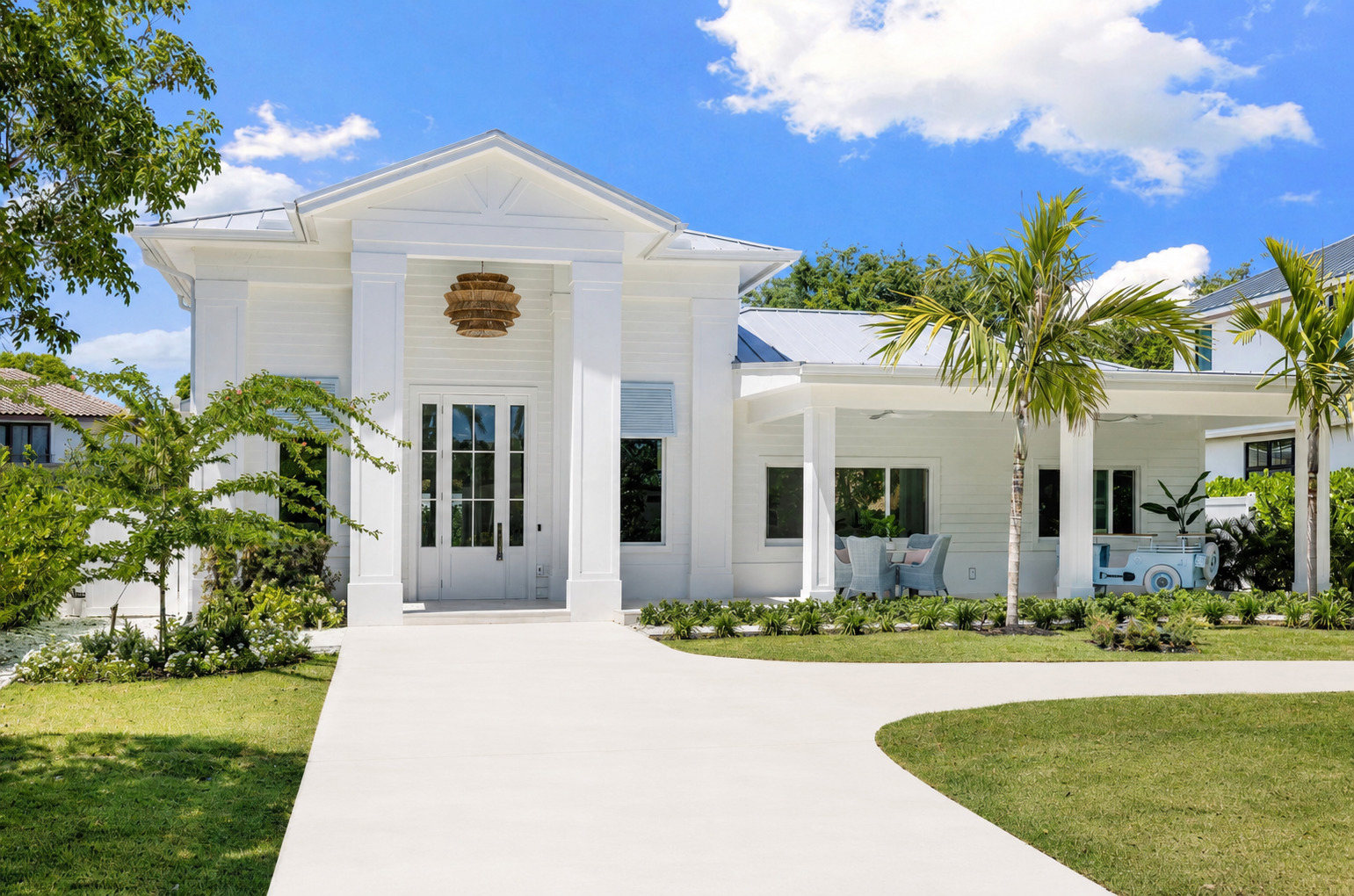
Olde Naples
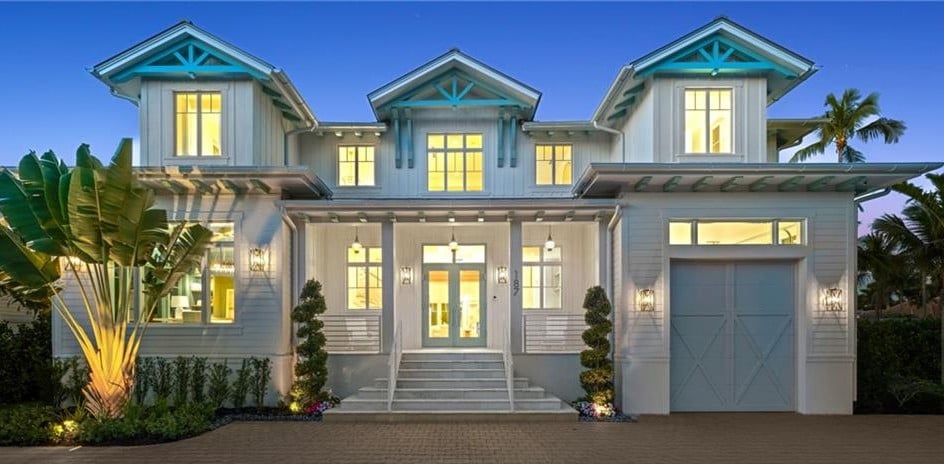
If there's one neighborhood every Naples conversation eventually circles back to, it's this one. Olde Naples is the original downtown — the reason people fall in love with this city in the first place.
Olde Naples sits at the southern tip of the city, bordered by the Gulf of Mexico to the west and Naples Bay to the east. It's built around two commercial corridors — 5th Avenue South and 3rd Street South — both lined with boutiques, galleries, and restaurants. Most of the neighborhood is walkable to the beach; many streets are three to five blocks from the sand.
This is Naples' oldest platted neighborhood, and the housing stock reflects it: a mix of original 1940s–1960s cottages, teardown lots, and architect-built new construction sitting side by side on the same block. There's no single builder or master developer here — every lot has its own story.
Price range is wide and depends heavily on lot size, proximity to the water, and whether the structure is original or rebuilt:
Most single-family lots in Olde Naples carry no HOA, which is different from nearly every other community in this series — you're buying real property with none of the community-association structure buyers may expect from Naples.
Olde Naples doesn't have a clubhouse or a gate; the neighborhood is the amenity. Residents walk to:
Buyers who want to walk to dinner, the beach, and the farmers market without getting in a car. It's also the neighborhood buyers point to when they want the idea of Naples they had in mind before they ever visited — Old Florida architecture, banyan trees, front porches.
Flood zone and elevation matter enormously here given the proximity to the Gulf and the bay — some blocks sit in favorable X500 zones at 10+ feet of elevation, while others are considerably lower. This is not a detail to skip; it affects insurability and cost meaningfully. We always pull the flood zone and elevation certificate before a client falls in love with a specific lot. Given the age of much of the housing stock, older homes should also be evaluated for whether a renovation would trigger Collier County's 50% substantial-improvement rule.

Compass
Jerfita Pierson Team
(847) 813-7700
[email protected]
(847) 913-6300
[email protected]